
Why the algorithm shift to ‘authenticity’ can help storytelling in the refugee sector
Posted by IMIX on January 13, 2026Over the past year, the mass introduction of AI-generated content onto our social media feeds has fundamentally changed how people relate to what they see online.
It has blurred the line between real and synthetic, fuelled misinformation, and made audiences increasingly sceptical of anything that feels overly polished or manufactured – to the point that Instagram’s CEO has suggested platforms may need to flag what content is real and what is not.
At the same time, something else has been happening more quietly. Even before AI flooded timelines with hyper-real images and videos, users were already drifting away from professionalised content. The algorithmic shift towards what platforms now call ‘authenticity’ was not caused by AI, but AI has accelerated it. Faced with an online world that feels increasingly artificial, people are gravitating back towards content that looks human, imperfect, and real.
This shift matters for organisations working in the refugee sector. Not because it offers a shortcut to virality, but because it changes who gets to be heard, and how stories are told.
People are finally bored with professional content
Unlike traditional media, where editorial decisions are made by a relatively small number of gatekeepers, social media algorithms are both set by the platforms themselves and shaped by audience behaviour on those platforms.
Algorithms are designed to amplify what large numbers of users want to see and engage with, increasing the likelihood that more people stay on that platform for longer.
From a human perspective, people often herd together over the latest news story or trend, but often collectively decide that something is old news and so move on from it. This shift in attention is often reflected in the algorithm.
Over the past decade, content creators and organisations have invested heavily in professional equipment and specialist creators to produce high-quality content. This has included outsourcing the creation of polished animations to tell the stories of survivors of domestic abuse or hate crime, purchasing Adobe licences, or investing in expensive cameras.

By last year, it became clear that most social media users were tired of seeing highly produced content, and a shift began towards what the industry now calls ‘authenticity’.
Out went expensive equipment and perfect set pieces, and in came talking directly into your phone’s camera, people not looking their best, and content that felt unpolished – just people who looked and sounded like ordinary people.
On LinkedIn, many video campaigns now purposely use raw footage of people talking and repeating campaign messaging – simply because these videos stand out more on a platform of highly polished, professional content.
Opportunity for storytelling in the refugee sector
For organisations working in the refugee sector, this shift towards a desire for authenticity matters because it quietly lowers the barriers to getting your content seen. Stories no longer need to be filtered through expensive production, perfect lighting, or expert editing skills.
In fact, the opposite is often true. Audiences are now more likely to engage with people speaking plainly, in their own words, about their own lives.
This creates space for people with lived experience to sit at the centre of storytelling, rather than being mediated or translated into something more “palatable” for public consumption. While standard rules still apply, such as starting with a strong (and often, emotional) hook, people are more likely to follow people who seem real than pages that seem too perfect to be real.
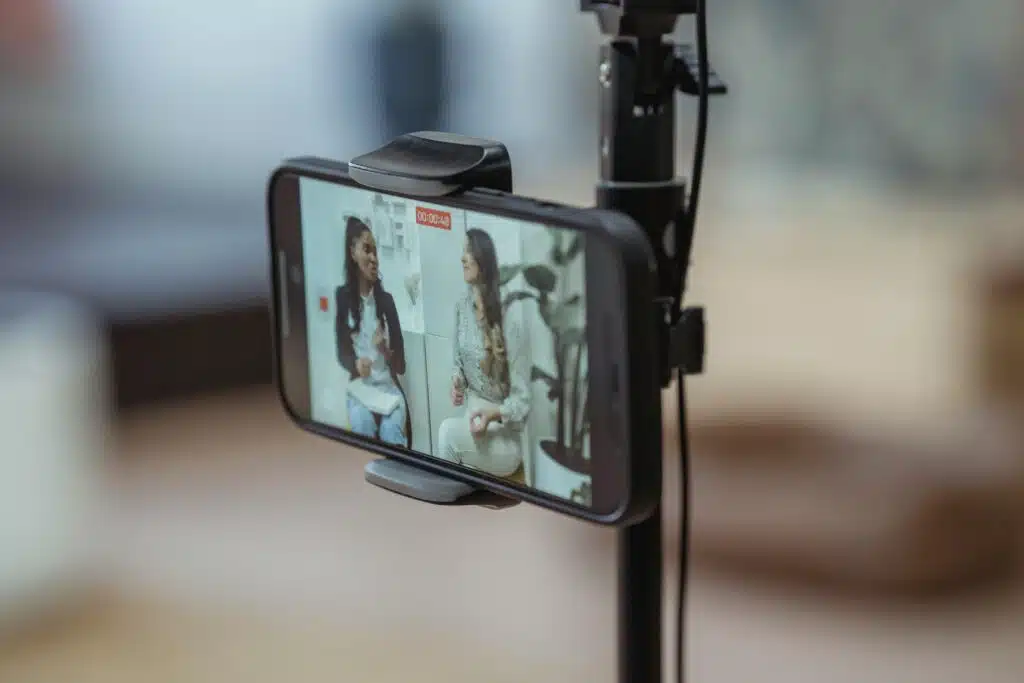
This approach can help messaging reach people who it otherwise struggles to. The latest Reuters Digital News Report shows that avoidance of news on social media is increasing sharply, while consumption through conversational formats such as podcasts and influencer-led content continues to rise. This tells us that if we want to educate people on the issues facing people in the asylum system, for example, it has to come from a person, not an infographic.
However, this moment also comes with risks. When authenticity performs well, there can be pressure to equate being ‘real’ with being emotionally exposed or to over-dramatise parts of someone’s story.
For people with lived experience of displacement, conflict, or trauma, this can be harmful. This shift does not remove our responsibility for the safety and safeguarding of spokespeople and storytellers, especially when the line appears grey, as the algorithm might appear to reward vulnerability.
Social media ‘authenticity’ in the NGO sector, when done well, is not about stripping stories of context or encouraging people to relive painful experiences on camera. It is about trust and making a connection between the storyteller and the viewer. Trust that audiences can sit with complexity without everything being simplified into a viral soundbite.
A bite worth reflecting on from Instagram’s CEO:
“Authenticity is becoming a scarce resource, driving more demand for creator content, not less. The bar is shifting from “can you create?” to “can you make something that only you could create?… In a world of infinite abundance and infinite doubt, the creators who can maintain trust and signal authenticity—by being real, transparent, and consistent—will stand out.”