
Listening both ways: how lived experience and journalists are learning from each other
Posted by Katie Bryson on September 28, 2026Katie Bryson is Media & Communications Director at IMIX, where she works alongside people with lived experience of migration to safely share their stories with the UK media on their own terms. A former BBC journalist, this year she set up IMIX’s Media Advisory Panel: a small group of journalists who meet every quarter, with an agenda set by people who have been through the asylum and immigration system themselves. Two sessions in, she shares how it works, and what journalists have told her that any charity doing comms can use.
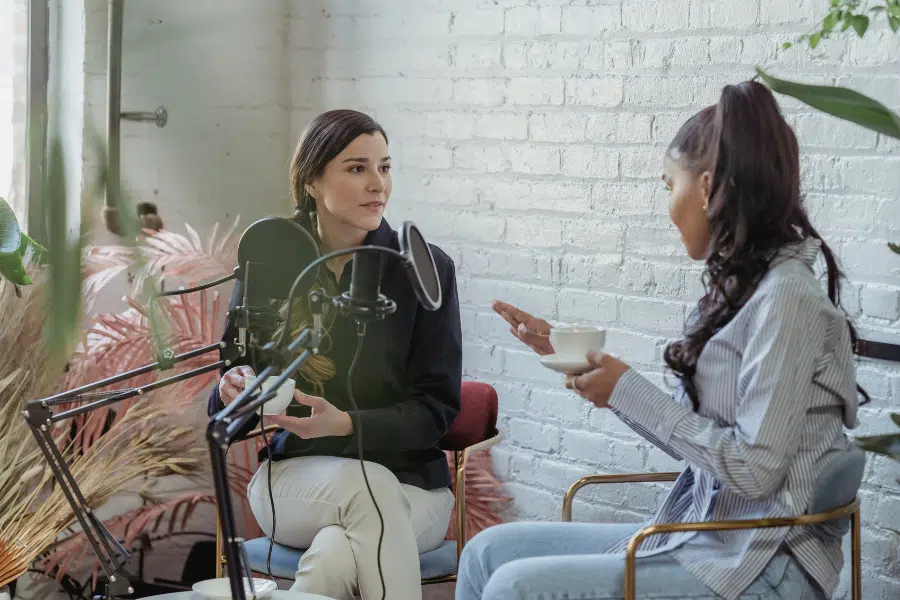
For the past year or so, we’ve been quietly running something new at IMIX. We haven’t shouted about it much yet, but whenever I mention it to people in the sector, the first question is usually “how does that work?” So it feels like time to share how it’s going and what we’re learning.
Why we started it
Back in August 2025, we brought a group of journalists together for a one-off roundtable on covering migration. It was candid and hugely useful. They talked about the pressure of fast news, the rising abuse aimed at the people they interview, how hard it is to find voices, and how much they wanted better ways of working. We came away thinking one conversation wasn’t enough.
So this year we set up the IMIX Media Advisory Panel. It’s a small group of journalists from national, regional and investigative outlets who meet with us on Zoom every quarter for 90 minutes. It’s a confidential space, and we never ask anyone to commit to coverage. The aim is to understand how newsrooms really work, and to help them tell migration stories more accurately and more humanely.
It starts with lived experience
This is the part I’m proudest of. Before each session, members of our Storytellers Network, people with lived experience of the UK asylum and immigration system, answer a short questionnaire. They tell us what’s affecting them right now, what they wish journalists understood, and what’s missing from the coverage they see.
We turn those answers into a briefing, and that briefing sets the agenda. So the journalists hear first what people with lived experience want them to know. Then we talk about how to make those stories work in a real newsroom.
What we’ve learned so far
We’ve held two sessions, and a lot of what’s come up is directly useful for anyone in the sector doing comms. Here are the bits I’d most want you to know.
Think twice about blanket “no media” policies. Journalists told us they’ve met people who wanted to speak but couldn’t, because the organisation supporting them had a no-interview rule. Safeguarding comes first, always. But a case-by-case approach, where you check the journalist’s track record and let the person set their own terms, can open doors without putting anyone at risk.
There are more ways to share a story than a named, pictured interview. Written answers, voice notes, voice-only recordings and filming that doesn’t show faces are all being used in newsrooms right now. Asking for questions in advance is completely normal too. Journalists said it’s simply good practice, especially when someone has limited English.
Link the personal story to a policy moment. A human story is much easier to commission when it shows the real impact of a specific decision. The proposed extension of the settlement route from five to ten years was the most urgent issue our storytellers raised. As the Bill makes its way through Parliament, there will be lots of news moments where a personal story could land.
Not every story has to be “about” migration. Panellists were really keen on what they called incidental storytelling. That means featuring someone with lived experience in a piece about conservation, sport, food or their local community, where their migration status is part of who they are but not the whole story. It’s often more powerful than a story about asylum.
Frontline workers can be the messenger. When someone can’t or doesn’t want to speak, a support worker or volunteer who knows the situation first-hand can be a strong alternative voice. It’s worth offering if a journalist asks and the person themselves isn’t in a position to talk.
Like and share, early. This one surprised me. A journalist told us a story they’d made for social media with a charity got almost no traction, because the charity never shared it. Algorithms reward early engagement, so a like or share from your organisation in the first hour really does help a story travel.
Mythbusting works better as short video. Text explainers are losing ground, and short videos on Instagram are where people engage. There’s a real tension here, though. Busting myths about a specific hotel or site can draw more hostility towards it, so think carefully about what you name.
The gap we keep noticing
Across both sessions, one thing kept coming up. Stories of people rebuilding their lives, working, studying, volunteering and raising families are still hugely underrepresented. So are the long, quiet years people spend waiting inside the system. Our storytellers want a fuller picture, not a rose-tinted one. They don’t want to be visible only when something’s going wrong.
If you’re supporting people who’d like to share that side of their story, we’d love to hear from you.
What’s next
The panel meets again in December, and we’ll keep sharing what we learn. If you’ve got a story, a voice or a question you think journalists should hear, get in touch at media@imix.org.uk.