This week, Shabana Mahmood reopened refugee resettlement on terms that framed compassion as a reward for control, the end of the one in, one out deal landed in a week of Channel deaths and damning evidence about enforcement, and Reform-run councils turned their attention to the people who help refugees. Our analysis of what was covered, what wasn’t, and what the sector can do with it.
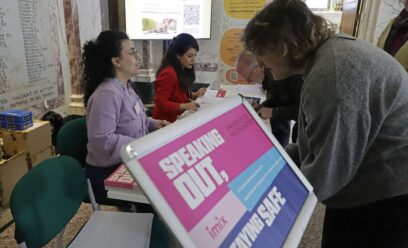
IMIX runs a Media Advisory Panel: a small group of journalists who meet every quarter, with an agenda set by people with lived experience of the asylum and immigration system. Two sessions in, we share how it works, and what journalists have told us that any sector charity doing comms can use.
This week, an anti-migrant activist’s attack on a dinghy with a rescuer still on board took hostility out onto the water, Piddington’s symbolic vote began spreading to other villages near military sites, and a string of stories were undercut by the facts in their own copy. Our analysis of what was covered, what wasn’t, and what the sector can do with it.
This week, a single Oxfordshire village's symbolic vote to “leave the UK” became a national story about who bears the cost of asylum dispersal, a joint Guardian investigation traced how organised anti-migrant vigilante activity has spread across the country, and new figures on the one in, one out deal raised fresh questions about its cost and its human impact. Our analysis of what was covered, what wasn't, and what the sector can do with it.
This week’s migration media coverage was shaped by three stories: the masked blockade of Dover and the violence that followed in Portsmouth, an anonymous “1% of claims are genuine” briefing that ran on Monday and was contradicted by two data sets on Thursday, and the deepening rows over former military bases earmarked as accommodation. Below we look at what the coverage revealed and what it left out, followed by the week’s secondary stories, what to watch next week, and practical takeaways for sector organisations.
This week, faith leaders and more than 200 charities pushed new Prime Minister Andy Burnham for a fresh start on asylum policy, a Home Office asylum refusal built on what a judge suspects was “AI hallucinated” evidence exposed cracks in the system's own evidence base, and the Refugee Convention's 75th anniversary landed alongside protest, spectacle and a handful of quietly hopeful human stories. Our analysis of what was covered, what wasn't, and what the sector can do with it.
This week, Andy Burnham's first days as prime minister exposed the gap between opposition rhetoric and governing reality on asylum, an FOI investigation revealed serious safety failures inside the accommodation system even as protest focused on where sites are located, and family reunion policy failures echoed across Gaza, Sudan and Ukraine. Our analysis of what was covered, what wasn't, and what the sector can do with it.
This week, Andy Burnham's first major act as prime minister-in-waiting was to back Shabana Mahmood's Immigration and Asylum Bill through its second reading, a High Court ruling on trafficking protections was quietly set aside, and opposition to military-site asylum accommodation hardened from Oxfordshire to North Yorkshire. Our analysis of what was covered, what wasn't, and what the sector can do with it.
This week, the Immigration and Asylum Bill's human cost came into sharper focus ahead of Monday's Second Reading, opposition to military accommodation deepened from Halifax to Bicester, and a major investigation exposed the hate campaign now facing migration charities - including IMIX's own CEO. Our analysis of what the coverage got right, what it missed, and what the sector can do with it.
This week, the government's new Immigration and Asylum Bill combined a £10,000 repayment charge with a fresh community sponsorship scheme, local opposition to military accommodation deepened across three counties, and an anti-migrant film boosted by Elon Musk showed hostility being packaged as entertainment. Our analysis of what was covered, what wasn't, and what the sector can do with it.